
You’ve probably heard the term scrap gold before. But what is scrap gold, really?
Is it broken jewellery? Old gold coins? Dental gold? Damaged gold bars? And more importantly, is scrap gold worth anything?
The short answer: Yes. In many cases, scrap gold can be surprisingly valuable.
Scrap gold refers to unwanted gold items that are no longer useful in their current form but still hold intrinsic value because of their gold content. Whether it’s broken jewellery, a single gold piece missing its pair, damaged gold coins, or even dental gold, these items can be melted, refined, and reused.
With gold prices reaching historic highs in recent market cycles, more people are exploring selling scrap gold or even purchasing scrap gold as a strategic gold investment.
Let’s break it down clearly.
What Is Scrap Gold?
Scrap gold refers to old, unused, damaged, or unwanted gold items that are valued primarily for their gold content rather than their design or decorative appeal.
Unlike jewellery that carries artistic or sentimental value, gold scrap is typically weighed and priced based on:
- Gold purity
- Weight
- Current market price of gold
Items commonly considered scrap gold include:
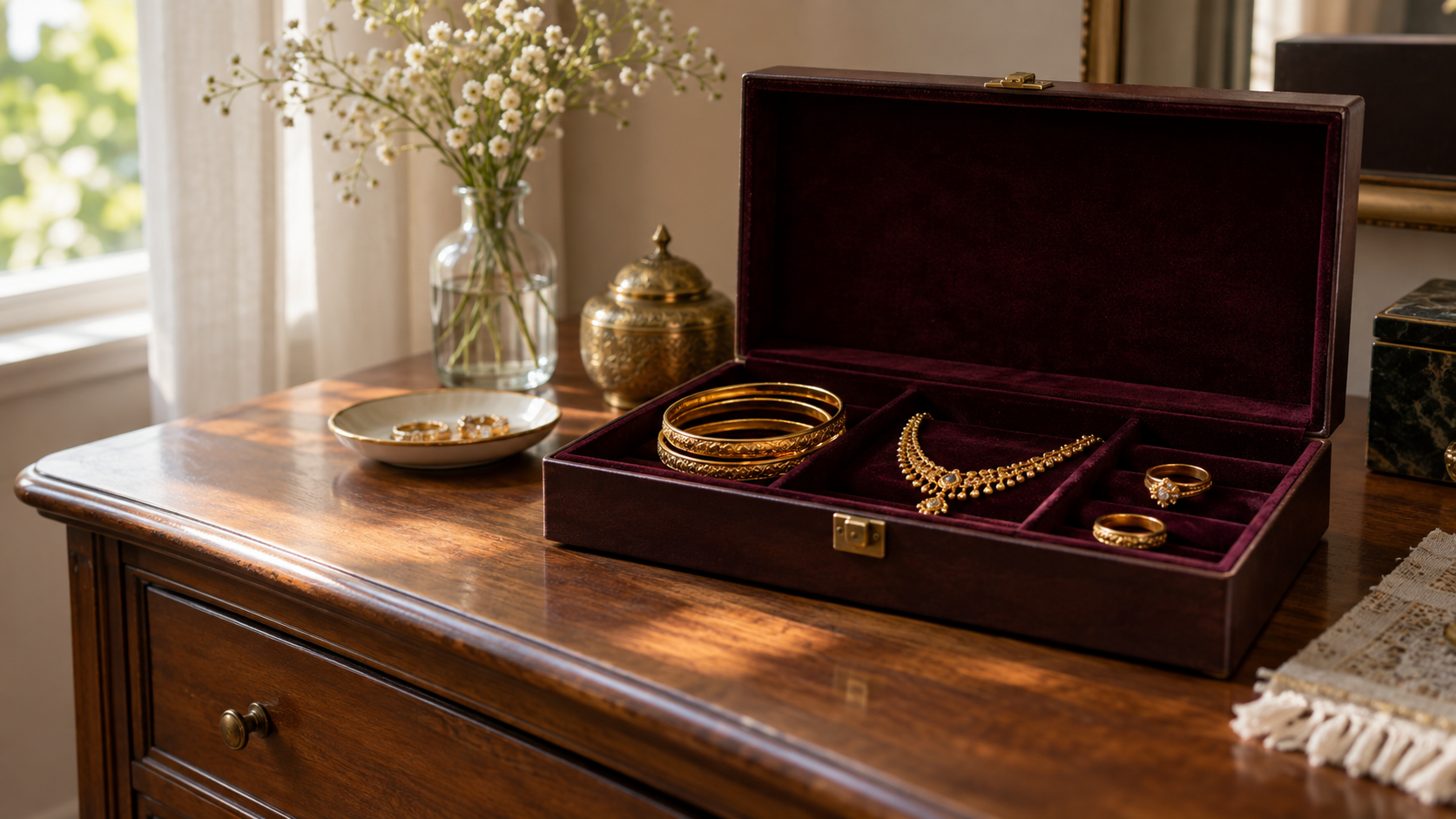
- Broken jewellery or broken jewellery
- Damaged gold coins
- Old gold rings
- Dental gold
- Melted gold pieces
- Decorative items beyond repair
- Gold from electronic components and circuit boards
Scrap gold is not necessarily the lowest purity gold. It can range from 9K to 22K and sometimes even 24K, depending on the item. Purity is measured in karats, with 24 karats representing pure gold in its purest form.
How Is Scrap Gold Different from Regular Gold Jewellery?
Here’s where many people get confused.
Gold jewellery is valued for craftsmanship, branding, and design.
Scrap gold is valued only for:
- Melt value
- Intrinsic value
- Gold content
If you sell scrap gold, the buyer is not paying for the design. They are paying for the gold based on:
- Weight in grams or troy ounces
- Purity (karats)
- Spot price or current market price
One troy ounce equals 31.1 grams. The market price of gold is updated daily and fluctuates based on economic conditions.
That is why the final price you receive depends heavily on timing.
How Is the Value of Scrap Gold Calculated?
The value of scrap gold depends on three main factors:
1. Purity
Gold purity is measured in karats. Common purities include 9K, 14K, 18K, 22K, and 24K. The higher the karats, the more pure gold is present.
2. Weight
Scrap gold is typically weighed in grams or troy ounces.
3. Current Market Price
The current market price or spot price determines what gold is worth per gram or per troy ounce on that day.
To estimate scrap gold worth:
Weight × Gold purity percentage × Current price = Estimated melt value
However, most scrap gold buyers and gold brokers purchase scrap gold at a discount, usually 20% to 40% below the market price. This accounts for refining costs, operational margins, and risk.
That’s why it’s important to compare offers and work only with trusted gold dealers.
The Growing Role of Scrap Gold in the Global Market
Recent industry data shows that recycled gold accounts for approximately 26% of the total global gold supply. That’s a significant portion.
In periods of high gold prices, such as the recent historic bull runs where gold traded around record levels per troy ounce, more investors choose to sell their scrap gold.
The scrap gold recycling market is projected to reach $16.88 billion in 2026, driven by rising metal prices and sustainability demand.
This makes scrap gold not just leftover metal but an active part of the global gold investment ecosystem.
Is Scrap Gold a Good Investment?
Surprisingly, yes.
Purchasing scrap gold often comes at a lower premium compared to newly minted gold bars or gold coins. That means buyers sometimes access gold closer to its melt value.
Why investors consider gold scrap:
- Lower acquisition premium
- High liquidity
- Easy to sell in the current market
- Retains intrinsic value
- Can be refined into pure gold
For Indian buyers and UAE investors alike, scrap gold offers affordability and accessibility while still preserving wealth during market fluctuations.
Unlike speculative assets, gold retains value because its worth is tied to real, measurable gold content.
Environmental Impact of Scrap Gold Recycling
This is an important but often overlooked point.
Recycling scrap gold reduces the need for traditional gold mining, which can be environmentally damaging.
Gold is a non-corrosive metal. It can be melted and refined indefinitely without losing its chemical properties. This makes scrap gold a critical component of the circular economy.
AI-backed sustainability research confirms:
- Refining scrap gold is more eco-friendly than new gold mining
- Recycling preserves natural resources
- It reduces the environmental impact of mining and processing
In fact, many metal refineries now rely heavily on recycled gold to lower raw material costs.
So when you sell scrap gold, you are not just earning money, you are contributing to sustainable gold production.
Where Does Scrap Gold Come From?
Scrap gold is mined once, but recycled many times.
Common sources include:
- Broken jewellery
- Longer-wear gold items
- Dental gold
- Damaged gold coins
- Outdated decorative items
- Electronic components and circuit boards
Reclaimed gold is even used in modern technology, including gold-plated pins in smartphones and bonding circuits due to its conductivity and corrosion resistance.
That’s how gold maintains value across industries.
Selling Your Scrap Gold: What to Know
If you’re planning to sell scrap gold, keep these points in mind:
- Check the current market price
- Verify weight and purity
- Compare offers from multiple gold buyers
- Avoid dishonest gold merchants
- Understand how the final price is calculated
Most gold dealers base their offer on melt value, not resale potential.
Transparency in calculation matters.
Market Trends in Scrap Gold
High gold prices directly increase scrap supply.
When the current price rises sharply, more people choose to sell unwanted gold items. This increases recycling activity and strengthens the scrap gold market.
With projections showing continued demand for recycled metals, scrap gold remains financially significant in the current market landscape.
Conclusion
So, what is scrap gold?
Scrap gold refers to unwanted, damaged, or unused gold items that retain value because of their gold content. It may include broken jewellery, dental gold, damaged coins, or even electronic components.
Its value depends on purity, weight, and the current market price of gold.
Whether you plan to sell scrap gold or purchase it as a gold investment, understanding melt value, intrinsic value, and pricing structure ensures you receive a fair price.
In a market driven by transparency and rising gold prices, scrap gold is far from scrap. It’s recycled wealth.
Trusted Gold Guidance
At Mint Jewels, we believe every gold piece deserves accurate evaluation and a fair price. Whether you’re selling your scrap gold or exploring gold investment opportunities, our team ensures transparent valuation based on gold purity, weight, and current market price.
Contact Mint Jewels today for a professional assessment and honest guidance.
FAQs
1. What is scrap gold worth?
Scrap gold’s worth depends on purity, weight, and the current market price of gold. It is valued by melt value, not design.
2. Is scrap gold a good investment?
Yes. Scrap gold retains intrinsic value and can be purchased at lower premiums compared to newly minted gold bars.
3. How do scrap gold buyers calculate price?
Most scrap gold buyers calculate price using gold content, weight in grams or troy ounces, and the spot price, minus refining margins.
4. Can scrap gold be recycled?
Yes. Gold is a non-corrosive metal that can be melted and refined indefinitely without losing purity.
5. Is selling scrap gold profitable?
It can be, especially when gold prices are high. Always compare offers to secure the best value.